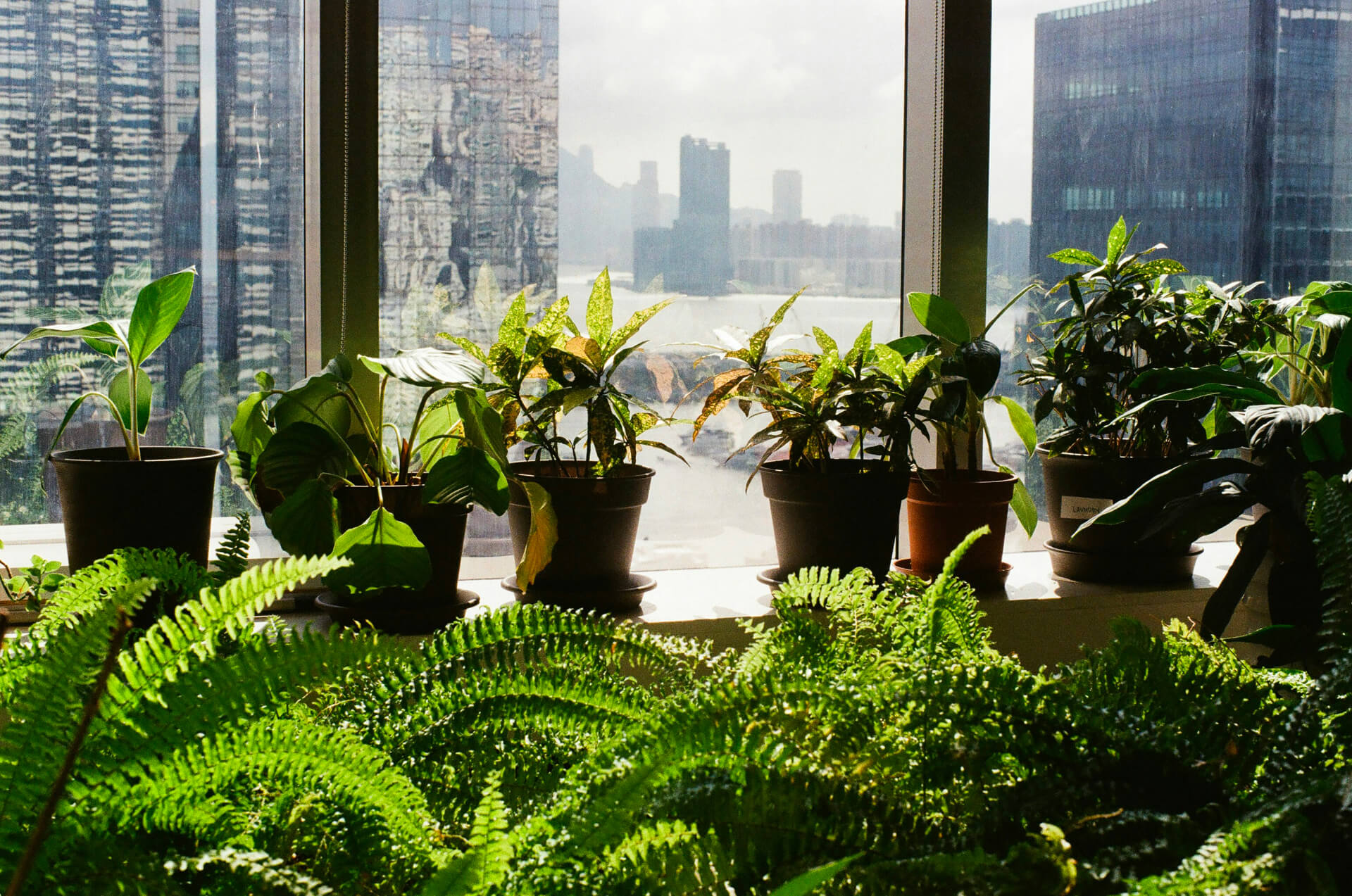
The solar spectrum is essential for plant growth and health, as it provides the energy needed for photosynthesis, the process by which plants convert light into chemical energy. Photosynthesis occurs in leaves, inside structures called chloroplasts, which contain chlorophyll, a pigment that absorbs light.
Benefits of the various components of the solar spectrum for plants:
1. Visible light (400-700 nm):
- Visible light is the part of the solar spectrum that plants use most for photosynthesis. In particular, chlorophyll efficiently absorbs light in the blue (about 430-470 nm) and red (about 640-680 nm) regions, while reflecting green, which is why leaves appear green.
- Red light is crucial for plant growth, flowering, and fruiting. It stimulates the production of flowers and fruits and promotes the elongation of stems.
- Blue light promotes leaf and root development and regulates the opening of stomata (small pores in leaves), allowing plants to breathe and exchange gases, which is essential for photosynthesis.
2. Infrared light (700-1000 nm):
- Although infrared light is not directly used in photosynthesis, it does contribute to environmental warming, which can help maintain ideal plant growth temperatures, especially in cooler climates.
3. Ultraviolet light (UV, 100-400 nm):
- Plants absorb small amounts of UV-A and UV-B radiation. While high doses can be harmful, moderate amounts of UV can stimulate the production of protective compounds, such as antioxidants and flavonoids, which protect against cellular damage and make plants more resistant to environmental stress.
- UV-B, in particular, can increase the production of pigments and defensive chemicals that make plants more resistant to pests and diseases.
Other general benefits of the solar spectrum:
- Healthy growth: Exposure to the right intensity and quality of sunlight allows plants to develop in a balanced way, with strong roots, sturdy stems and a good distribution of leaves.
- Regulation of biological rhythms: Sunlight regulates the growth cycles of plants, such as germination, vegetative growth and flowering. Plants respond to the length of the day (photoperiod), synchronizing their growth with the seasons.
- Production of nutrients: Sunlight helps in the synthesis of essential nutrients, such as sugars, through photosynthesis. These sugars are essential for the development and production of fruit, seeds and leaves.
In short, the solar spectrum provides plants with the wavelengths they need to grow, develop, protect themselves and produce food, thus contributing to the overall health of plants and the global ecosystem.