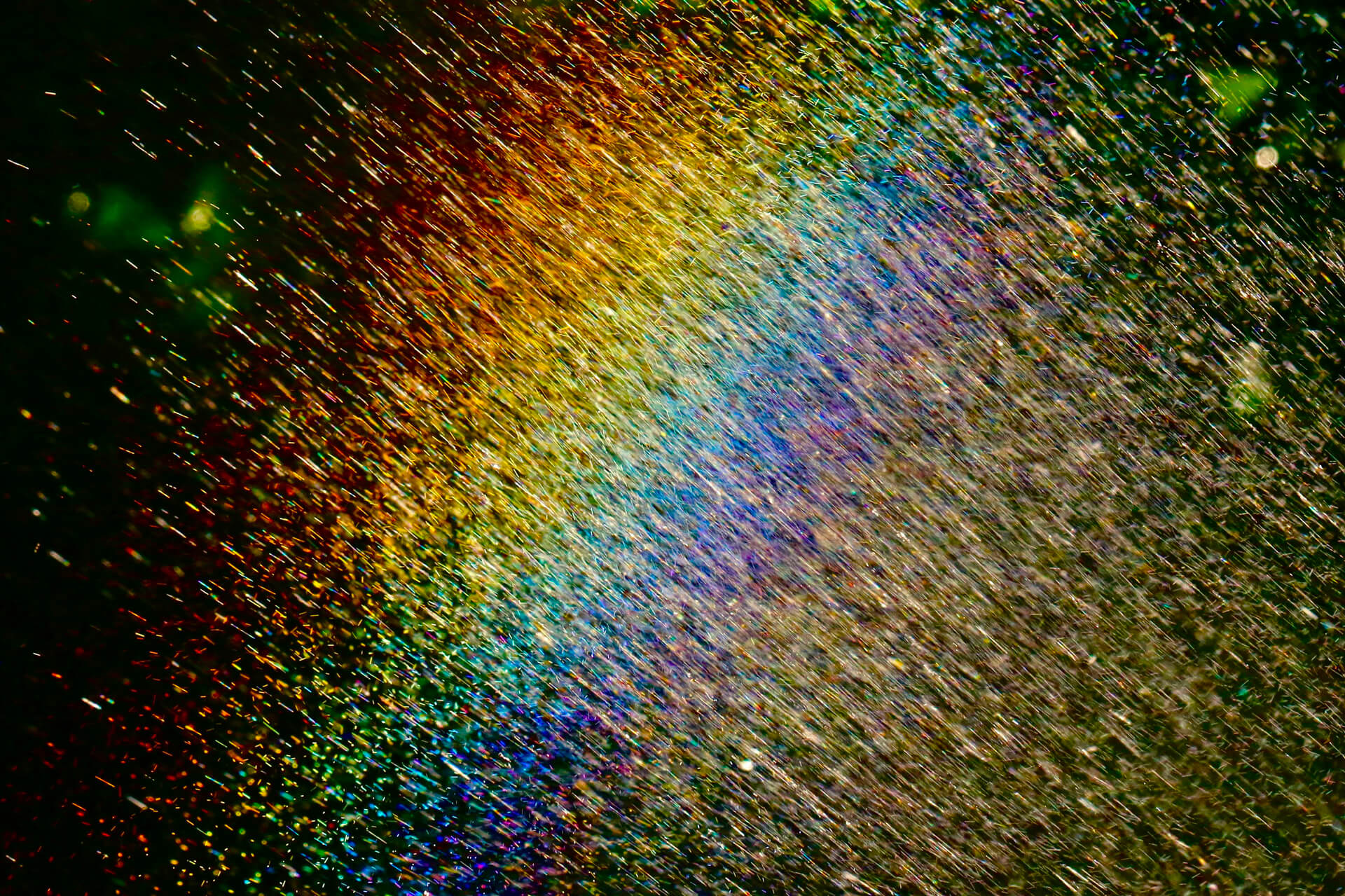
The light spectrum is the set of all the colors that make up visible light, that is, the light that the human eye can perceive. White light, like that of the sun, is actually made up of many different colors, ranging from red to violet, passing – in order – through orange, yellow, green, indigo blue and violet. Each color in the visible spectrum corresponds to a specific wavelength. When light hits an object, part of it is absorbed and part is reflected: the color we see is that of the reflected light.
Visible light has wavelengths between about 400 nanometers (nm) for violet and 700 nm for red, but the light spectrum is part of a larger spectrum, called the electromagnetic spectrum, which includes many types of waves: radio waves, microwaves, infrared, visible light, ultraviolet, X-rays and gamma rays. The difference between these waves is the wavelength, which determines how they interact with matter.
The light spectrum is important for many natural and technological phenomena. For example, plants use visible light for photosynthesis, while optical instruments such as telescopes and cameras use the breakdown of light to capture detailed images. Even our perception of color depends on the light spectrum, allowing us to see the world in all its nuances.